Why does speech change after moving abroad, and why is the process different for children? Alexander Piperski explores multilingualism, family language and new identities.
September 26, 2026 · Barcelona, Spain · Talk in Russian
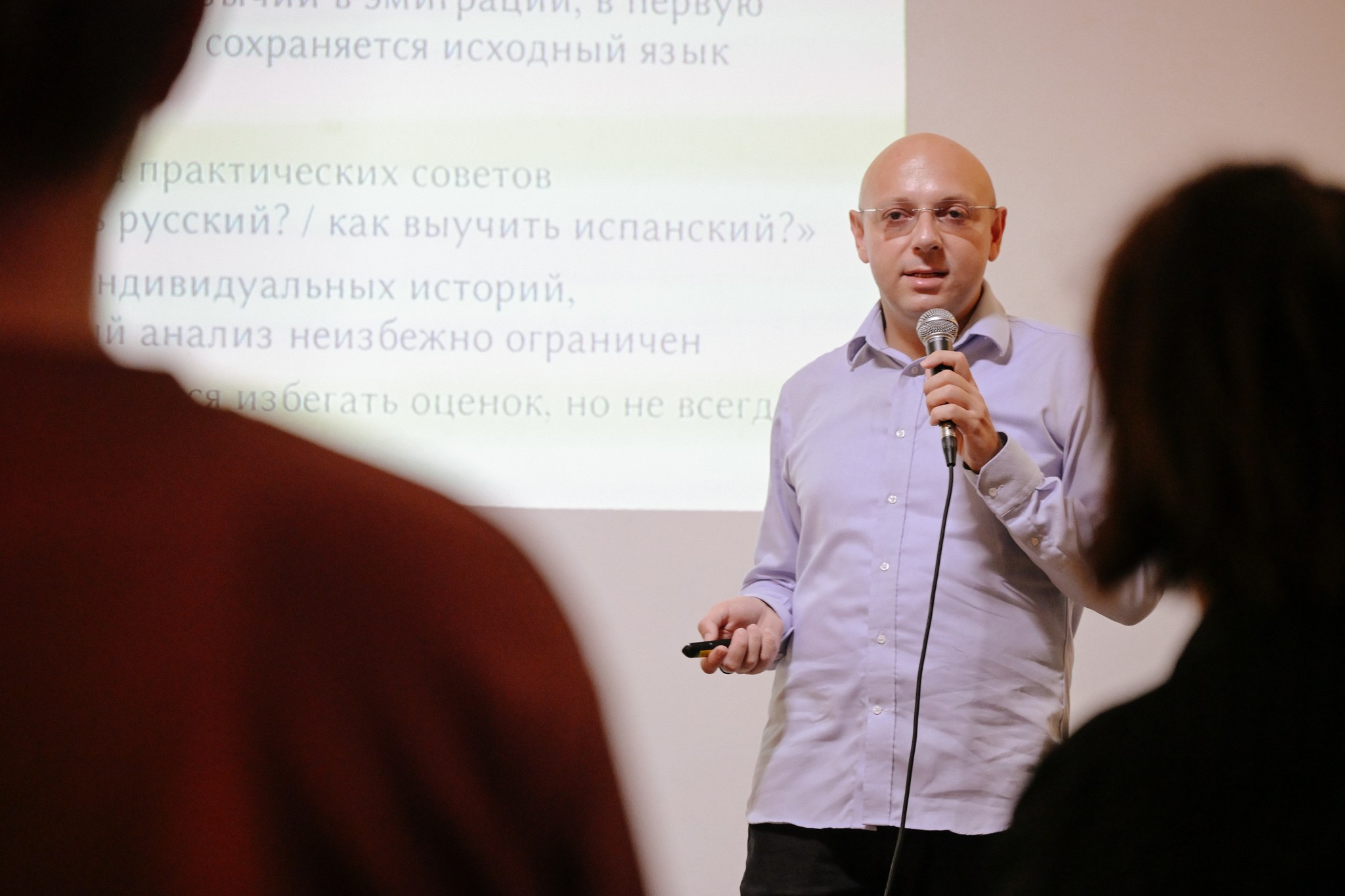
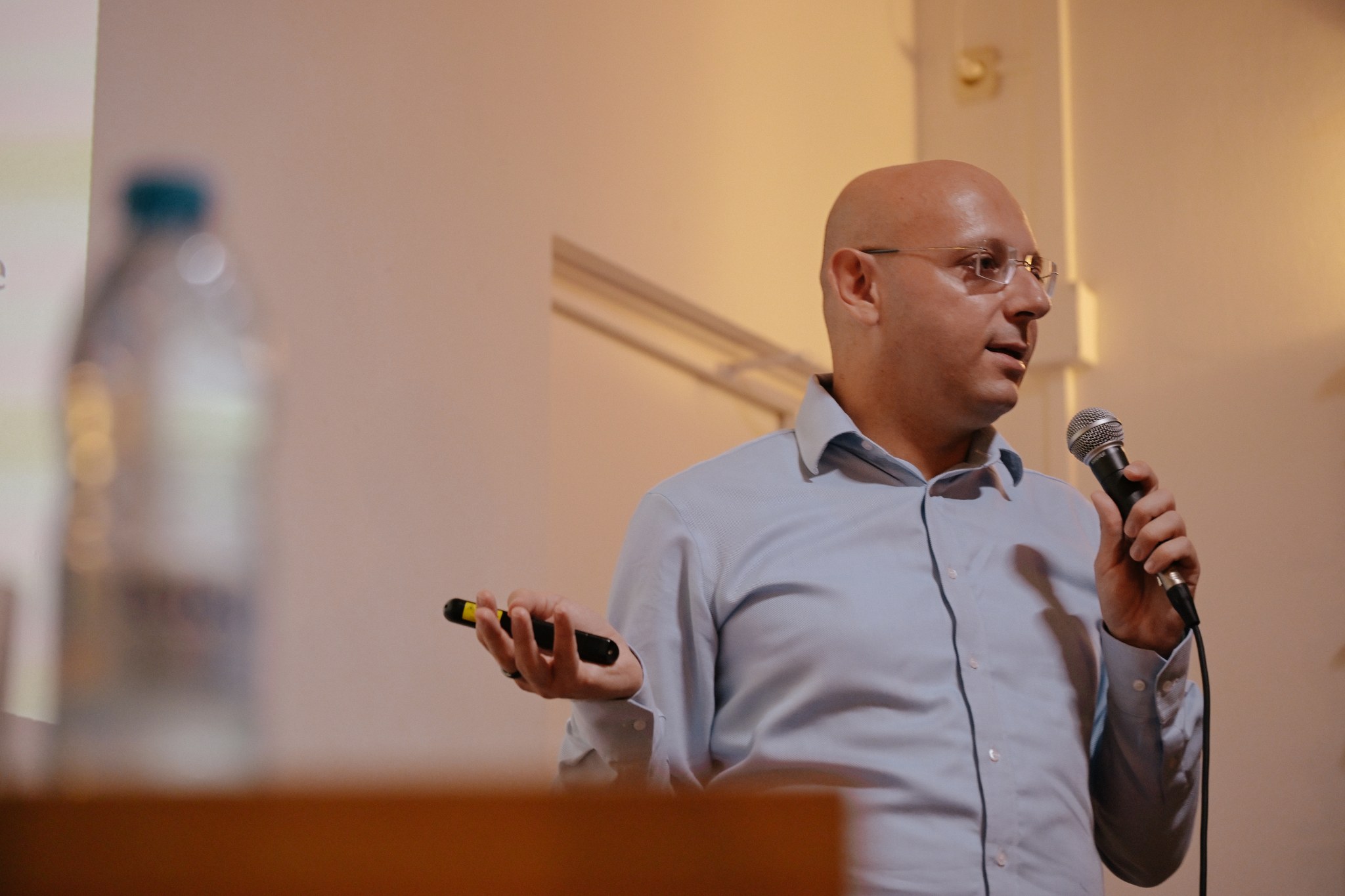
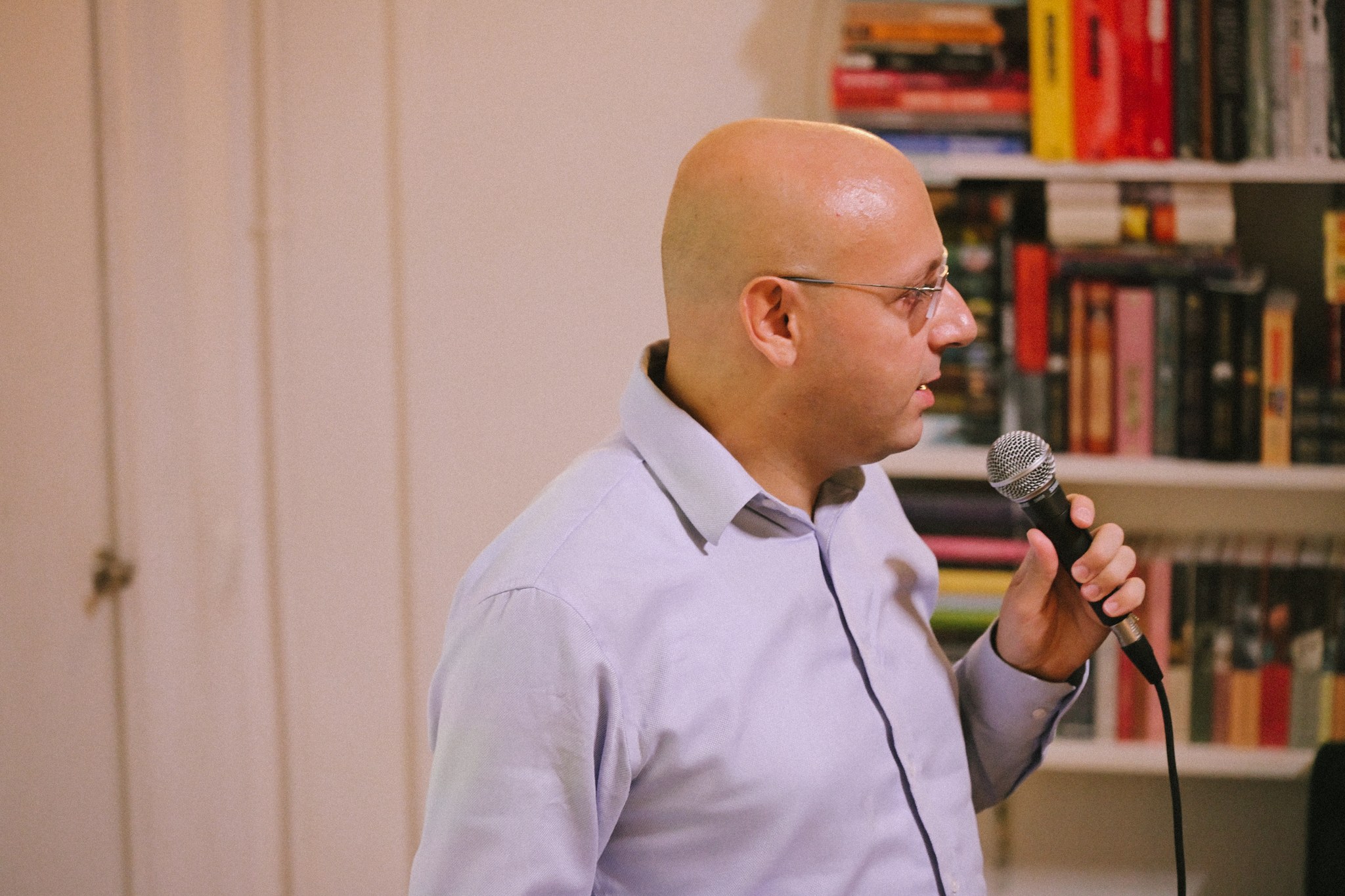
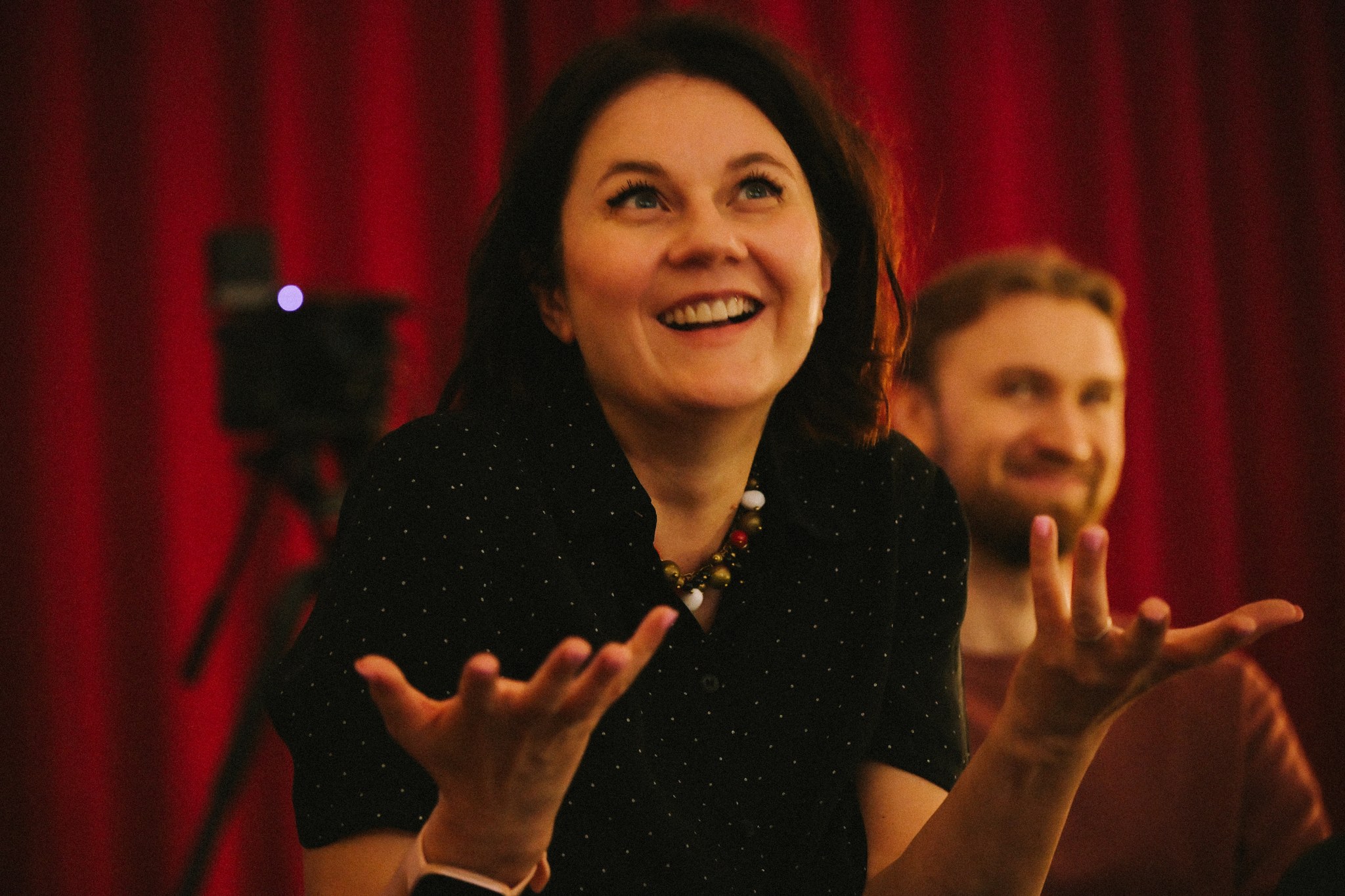
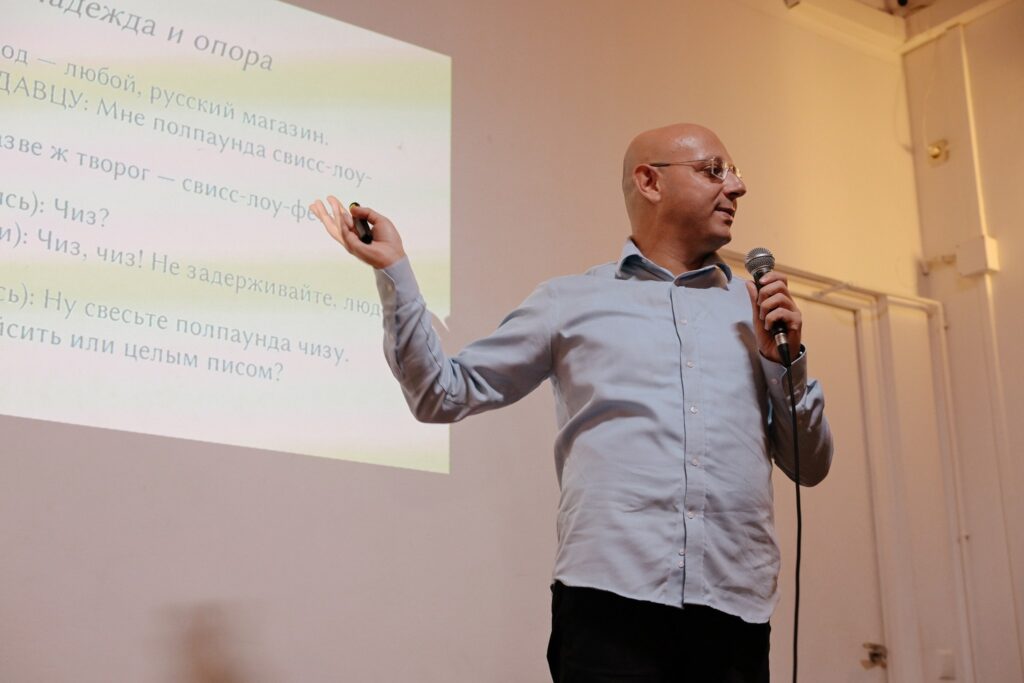
On September 26, 2026, Kvartirnik in Barcelona hosted Alexander Piperski’s talk, What Language Do We Speak at Home? Language, Emigration and a New Identity. The event was organised by Digital October and Sami Residence.
The linguist, Stockholm University lecturer and Enlightener Prize winner examined how languages interact in emigrants’ lives. Using examples from adults’ and children’s speech, he discussed borrowing, code-switching and the transmission of a native language between generations. The talk was delivered in Russian.
Key questions
- How do vocabulary and speech habits change after emigration?
- Why do adults and children adapt differently to a new language environment?
- What happens to a family’s language in later generations?
Key takeaways
- Emigration changes the balance of languages in everyday life rather than simply adding another language.
- Adults and children experience different changes; language mixing and heritage language use have their own patterns.
- Passing a language on to later generations depends in part on communication beyond the family.
Venue
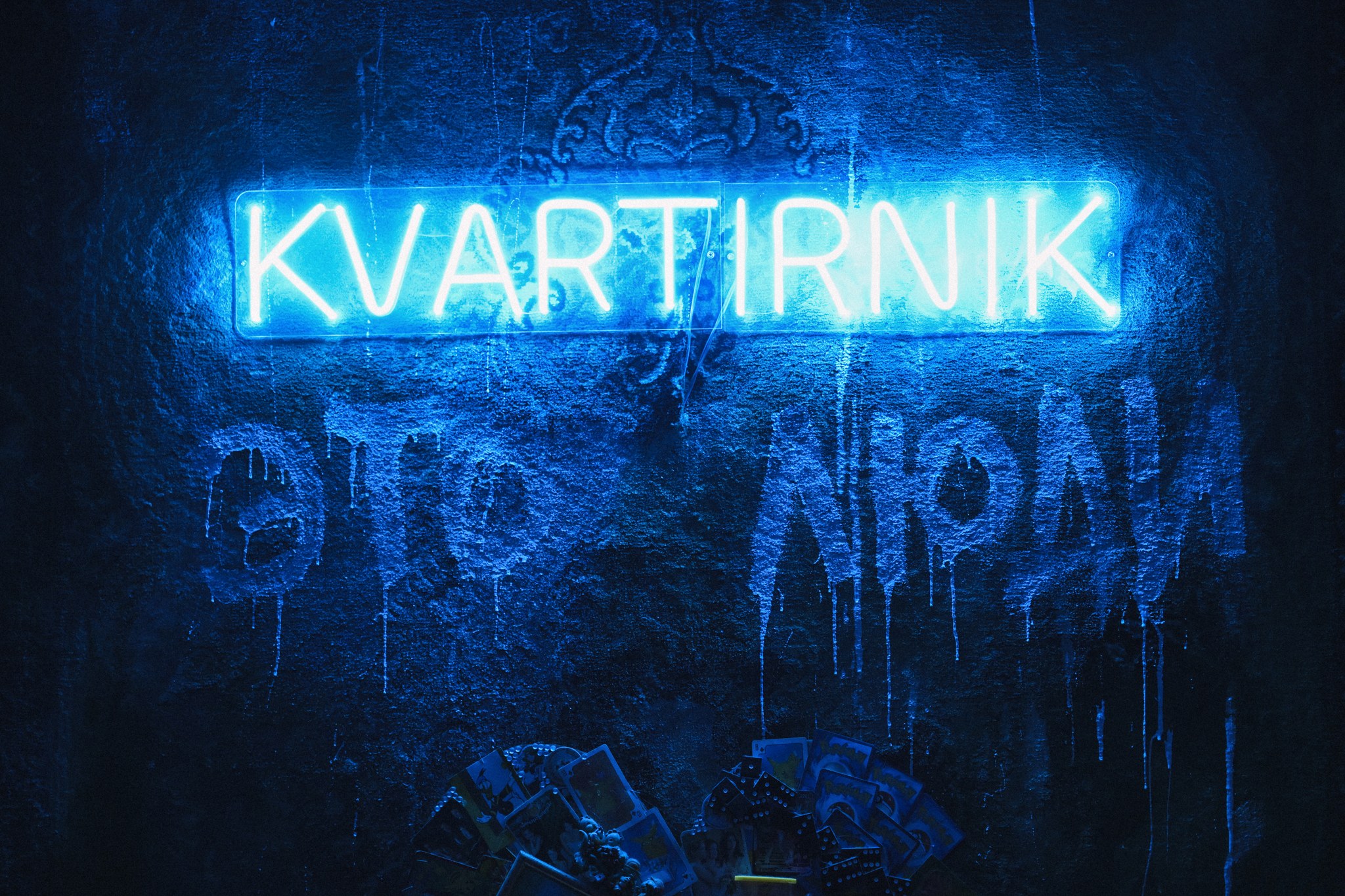
Kvartirnik, Carrer de Villarroel, 79, Eixample, 08015 Barcelona, Spain
Event time: 20:00–22:00 · GMT+2.
Event photos